The biggest decision in weight-loss surgery is not which clinic — it is which operation. The gastric sleeve and the gastric bypass are the two most common procedures in the world, and they are often presented as interchangeable. They are not. They work differently, suit different people, and carry different long-term commitments. Here is a side-by-side comparison of how each one works, who it suits and what it asks of you afterwards — written from organising both operations in Istanbul since 2012.
How the gastric sleeve works
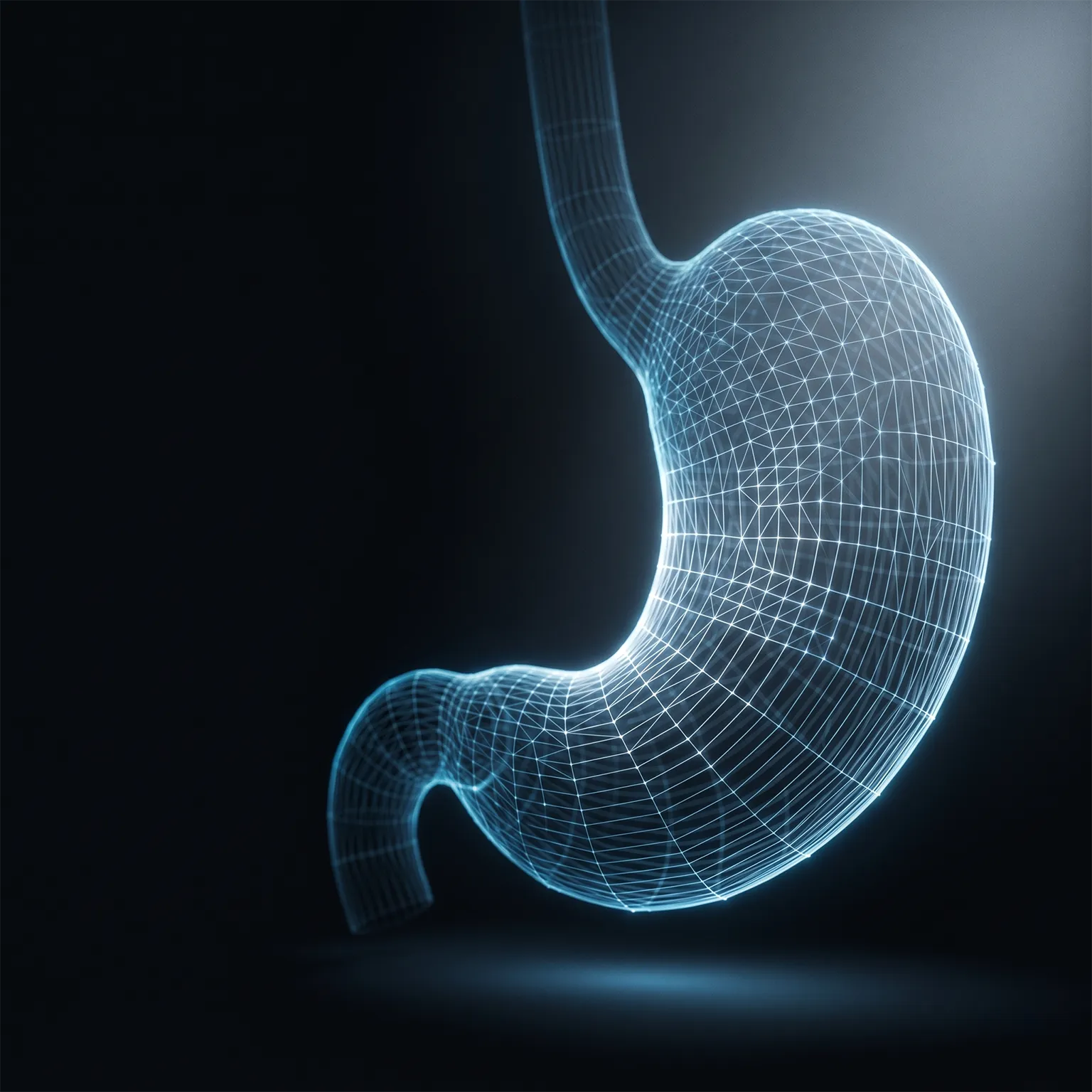
The gastric sleeve (sleeve gastrectomy) removes about 80% of the stomach, leaving a narrow, banana-shaped tube. It works in two ways: the smaller stomach holds far less, so you are full on small portions; and the part removed produces most of the hunger hormone ghrelin, so your appetite drops too. It does not touch the intestine, so digestion is otherwise normal and absorption is less affected than with a bypass.
It is the most commonly chosen operation — simpler, with a single staple line — and suits the majority of patients who qualify for surgery.
How the gastric bypass works
The gastric bypass (Roux-en-Y) creates a small stomach pouch and re-routes the small intestine so food skips most of the stomach and the upper bowel. That adds a third mechanism to restriction and reduced hunger: reduced absorption, plus powerful hormonal changes that often improve type-2 diabetes quickly — sometimes before much weight is lost.
It is the long-standing gold standard, and it is usually the stronger choice when significant acid reflux or type-2 diabetes is part of the picture.
Sleeve vs bypass at a glance
| Gastric sleeve | Gastric bypass | |
|---|---|---|
| What happens | ~80% of the stomach removed | Small pouch + re-routed intestine |
| Mechanisms | Restriction + less hunger | Restriction + less hunger + less absorption |
| Best for | Most patients; BMI 35+ | Higher BMI, significant reflux, type-2 diabetes |
| Reflux | Can worsen it | Usually improves it |
| Operation time | ~1 hour | 2–3 hours |
| Reversible | No | Technically yes (rarely done) |
| Lifelong vitamins | Yes | Yes — stricter |
| Typical excess-weight loss | ~60–70% | ~70–80% |
| Indicative from | €3,000 | €3,800 |
Which one suits you?
The deciding question is never “which do I want?” but “what does my case actually need?” As a guide:
- The sleeve suits most people who qualify — a simpler operation, no re-routing, slightly lower long-term nutritional burden. It is often the first choice where there is no significant reflux.
- The bypass is usually preferred when you have significant acid reflux (GERD) — which the sleeve can worsen but the bypass tends to improve — or type-2 diabetes, where the hormonal effect is strongest, or a higher BMI where the extra mechanism helps.
There is also a pathway worth knowing: a sleeve can later be converted to a bypass if severe reflux develops or weight is regained, which is one reason some patients start with the sleeve. None of this is decided from a brochure — it is decided after a board-certified bariatric surgeon reviews your medical history, your BMI and your existing conditions.
Risks: how they compare
Both are major surgery and share the core risks — leak, bleeding, blood clots, and nutritional deficiencies if the lifelong vitamins are skipped. The differences:
- The sleeve is simpler and slightly quicker, with one staple line, so its early complication rate is marginally lower; its main downside is that it can cause or worsen reflux.
- The bypass is more complex, with a slightly higher early complication rate and risks specific to the re-routed anatomy — internal hernia, marginal ulcers, and dumping syndrome (sugary food passing too fast, causing nausea and a racing heart). Its malabsorption also makes the lifelong vitamins stricter.
For an honest, fuller picture of the risks of either operation, see our guide on whether weight-loss surgery in Turkey is safe.
Recovery and life afterwards — the part that is the same
Here is what does not differ much: both operations need a 5–6 night stay in Istanbul, a staged diet (fluids → puréed → soft → normal small portions) over the weeks afterwards, and — this is the crucial part — a permanent change to how you eat plus lifelong vitamins and follow-up. Neither is a magic fix. Both make lasting weight loss possible; both fail if the lifestyle change does not follow. Read more in our guide to life after a gastric sleeve, which applies in large part to the bypass too.
The IFSO and ASMBS both publish independent guidance comparing the procedures, useful to read before your consultation.
Frequently asked questions
Which is better, gastric sleeve or gastric bypass?
Neither is universally better — they suit different patients. The sleeve is simpler, removes about 80% of the stomach and is the most common choice. The bypass also re-routes the intestine, which makes it stronger for significant acid reflux and type-2 diabetes, but it carries a higher long-term nutritional burden. The right one is decided case by case after an assessment.
Is the gastric sleeve or bypass safer?
Both are major surgery with a strong safety record in accredited hands. The sleeve is a slightly shorter, simpler operation with one staple line, so its early complication rate is marginally lower. The bypass is more complex, with a slightly higher rate and some risks specific to the re-routed anatomy. Honest candidacy assessment matters more than the difference between them.
Does the gastric bypass cause more weight loss than the sleeve?
On average, slightly. Patients tend to lose around 60–70% of their excess weight with a sleeve and around 70–80% with a bypass over 12–18 months, but the ranges overlap and the result depends far more on following the diet and follow-up than on which operation you had. Both are highly effective when paired with permanent lifestyle change.
Can a gastric sleeve be converted to a bypass later?
Yes. If a sleeve causes severe reflux that cannot be controlled, or if weight is regained, it can be converted to a gastric bypass as a second operation. This is one reason some patients start with the sleeve. A bypass, by contrast, is the more definitive step. The partner surgeon discusses this pathway honestly during your assessment.
The bottom line
Sleeve versus bypass is not a contest to be won — it is a match to be made between the operation and your body. Most people who qualify do well with the gastric sleeve; those with significant reflux or type-2 diabetes are often better served by the gastric bypass; and if your BMI is lower, the non-surgical gastric balloon may be the right starting point instead. Not sure which group you are in? Read about who weight-loss surgery is for, or send your details through the free consultation for an honest, case-by-case recommendation.